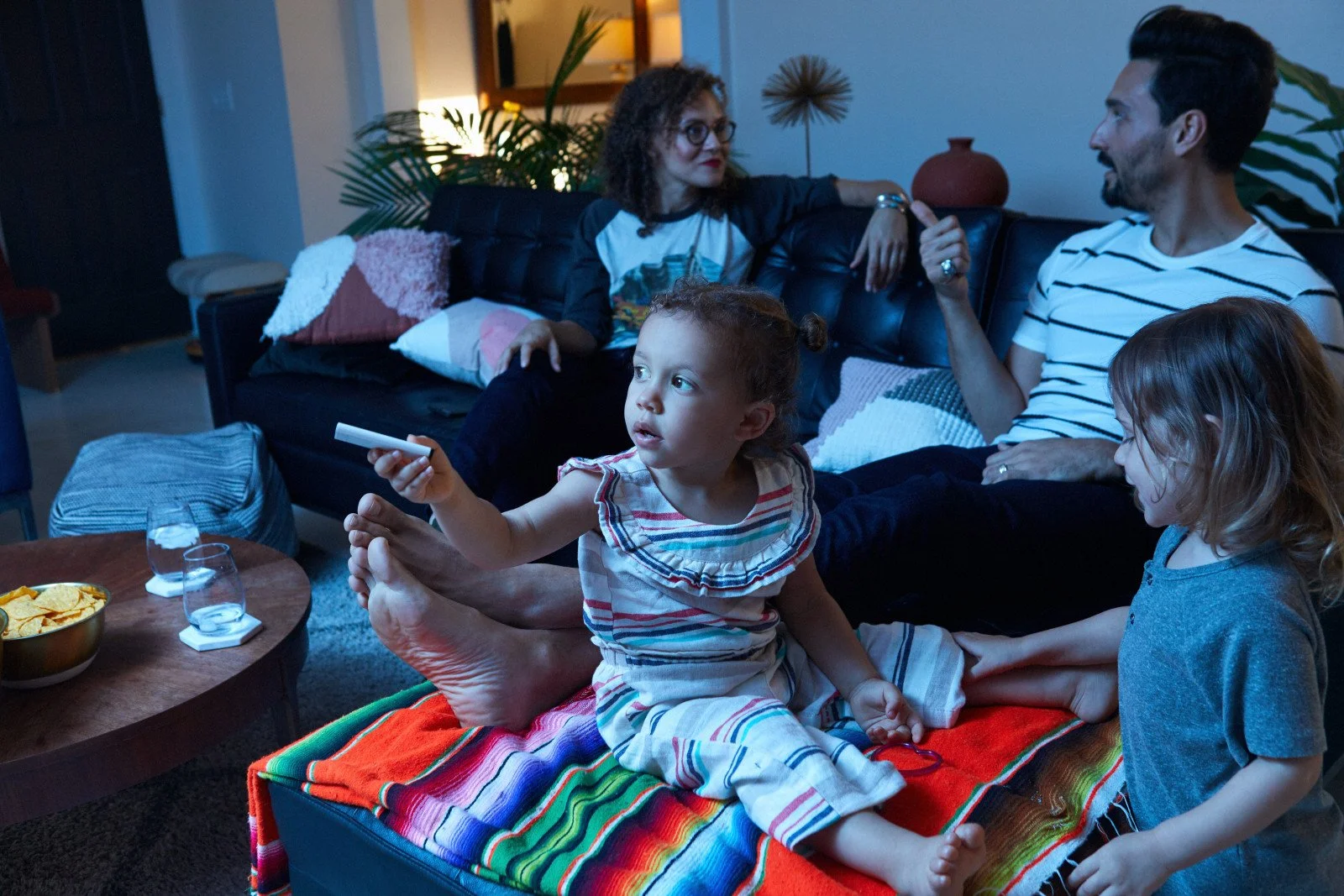
Parenting in a multicultural family means raising children while two or more sets of customs, languages, and/or beliefs about a good childhood share the same home.
Sometimes those traditions blend easily, and sometimes they pull in different directions. You might feel the pull at the dinner table, at bedtime, or in the middle of a disagreement about child care.
Before kids, it's easy to admire your partner's family traditions or laugh about how differently you were raised. Once you're responsible for a child together, those differences can show up in all the big and small decisions that need to be made.
That shift can feel disorienting, even for couples who have been together for years and know each other's families well. It's a common experience when building a family across cultures, and it's something that can ultimately be a strength for your family!
When Your Childhoods Don't Match
Your beliefs about raising children may have been unconsciously integrated during your own childhood. Things like:
How much independence a child should have
What respect for elders looks like
Who gets to comfort or correct a child
Whether a baby sleeps in your bed, in your room, or down the hall
How feelings are expressed, and whether a child's tears or anger are welcome
What discipline looks like, and whether it happens in private or in front of others
How much time children spend with grandparents, cousins, and extended family
Whether achievement, obedience, or self-expression comes first
Which holidays, faith practices, and rites of passage get passed down
How caregiving and paid work are divided between parents
When you and your partner grew up with different answers to these topics, an argument about screen time or sleeping arrangements can feel complicated. Whether you secretly worry that you’ll be just like your own parents or whether it feels like you have to choose between your family of origin and your own nuclear family, navigating the conscious and unconscious beliefs that show up while parenting adds a extra layer of complexity.
It can help to trade stories instead of rules. Describe what a school night, a family dinner, or being scolded looked like in the home you grew up in, and what your own parents would say about the choice in front of you now. Hearing the story behind a rule often makes it easier to find a version you can both live with.
Language, Food, and Daily Choices
Everyday decisions carry cultural meaning. The languages you speak at home, how you celebrate holidays, what you serve for dinner, and what relatives call your child are small statements about identity.
For example, a child who hears one language from you and another from your partner may feel pressure to pick a side or they may feel proud to belong to both. A lot of that depends on how the adults talk about the differences. When you describe each heritage with warmth and interest, your children get permission to enjoy all of who they are rather than divide themselves into halves.
When Extended Family Weighs In
Grandparents, aunts, and uncles often hold strong opinions, and in some families their word carries real authority. You may feel caught between honoring them and protecting the choices you and your partner made together.
Settle the question with your partner first, in private, so the two of you can speak with one voice. Then respond to relatives with respect and clarity. Whichever of you grew up in that family usually does the talking, which keeps the other partner from being cast as the outsider who is changing things.
Helping Your Kids Feel at Home in Both Worlds
Children in multicultural families can feel out of place at school for one reason and out of place at home for another. They may be asked where they're "really" from, or feel they have to translate between worlds for the adults who love them.
Listen when they describe those moments, and hold off on fixing them right away. Sometimes the most useful thing you can offer is the chance to be heard and understood.
Finding Support Together
Some differences settle with a few honest talks. Others keep returning, especially when stress is high or when old family expectations get involved. If the same arguments loop without resolving, or if your child seems caught in the middle, an outside perspective can ease the pressure.
Couples therapy gives the two of you a place to slow these conversations down. Together, we can explore what each of your upbringings taught you, understand what's really at stake for your partner, and find shared ground for the family you're building.
You don't have to resolve every difference to parent well as a team; you need a way to navigate differences that brings you closer instead of pulling you apart.