Reading Your Way Through Matrescence: 5 Books Worth Your Time

You’re not the same person you were before you got pregnant or had a child. Not worse, not better, just different in a way that’s hard to explain to someone who hasn’t been through it.
For me there was a distinct before children and after children shift in my mind, body, and spirit. In retrospect, I stepped into this transformation portal the moment I decided to start the process of getting pregnant.
In recent years, more and more people have become aware that this transformation is a developmental life stage, likened to adolescence, and that it has a name: matrescence. Read on to learn more about matrescence and a round-up of my favorite books on the topic (as of summer 2026).
What Is Matrescence?
Matrescence is the developmental transition into parenthood. It's the term for the physical, hormonal, psychological, and social changes that happen when someone becomes a parent, particularly through pregnancy and birth.
The word was coined by anthropologist Dana Raphael in the 1970s,* drawing a parallel to adolescence. Like adolescence, matrescence involves a total reorganization of identity. Your brain creates new neural pathways, your body does things it has never done before, and your relationships completely configure themselves.
But unlike adolescence, almost nobody prepares you for it.
Matrescence is not just for people who identify with the word “mother,” but for birthing parents of every gender identity. The word describes a process, not an identity category, so non-gestational parents also go through a version of this transformation.
For decades, matrescence sat mostly in academic and anthropological circles. It's having a cultural moment now, and for good reason. It gives people language for an experience that's often minimized as "baby blues" or waved off as something you'll adjust to. Matrescence gives it the validity and honor that it is: an ego-level transformation, one of the most significant of a person's life.
Five Books That Provide Frameworks for Navigating and Understanding Your Matrescence
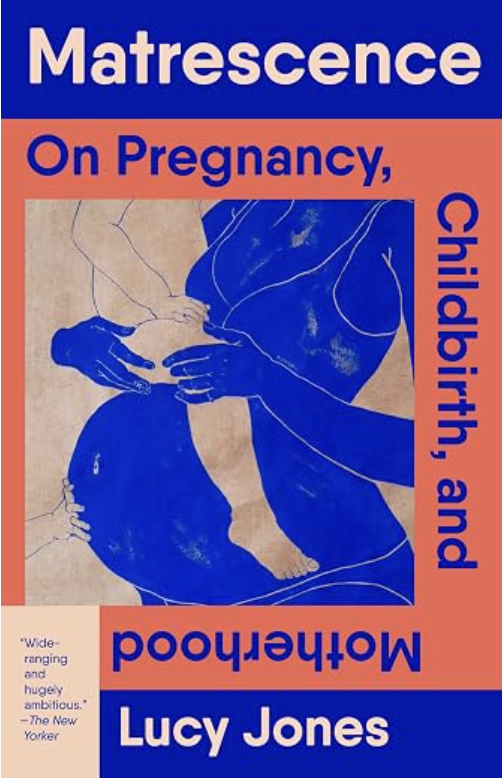
Matrescence: On Pregnancy, Childbirth, and Motherhood by Lucy Jones
Jones is a science journalist, and it shows. This book moves between memoir and rigorous reporting on neuroscience, evolutionary biology, and sociology, tracing exactly what happens in the maternal brain and body during this transition. It doesn't romanticize the process, nor does it pathologize it. It just tells you the truth about what's happening to you, backed by research.
Read this if: you want the science behind what you're feeling, and you're tired of being told it's "just hormones."
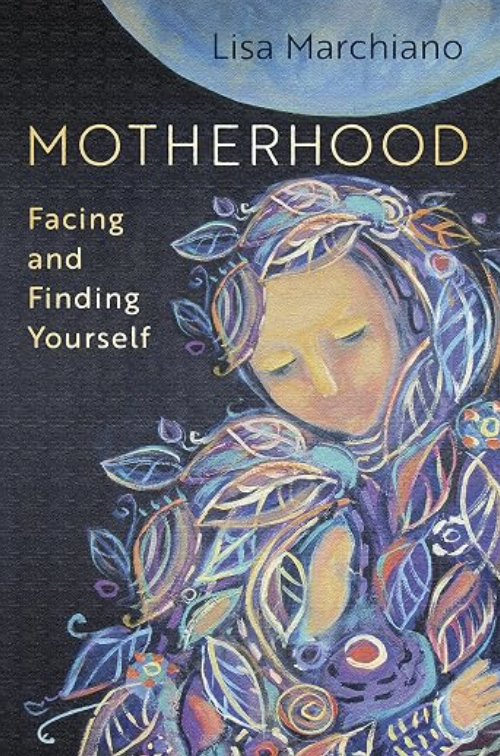
Motherhood: Facing and Finding Yourself by Lisa Marchiano
Marchiano is a Jungian analyst who uses fairy tales and myth to explore the psychological descent that parenthood can trigger. This one goes to the parts of the experience that are harder to name: the disorientation, the confrontation with your own shadow, and the parts of yourself that motherhood forces into the light whether you're ready or not.
Read this if: you're someone who processes through symbol and story, and you want a framework for the parts of this transition that feel like true reckoning.
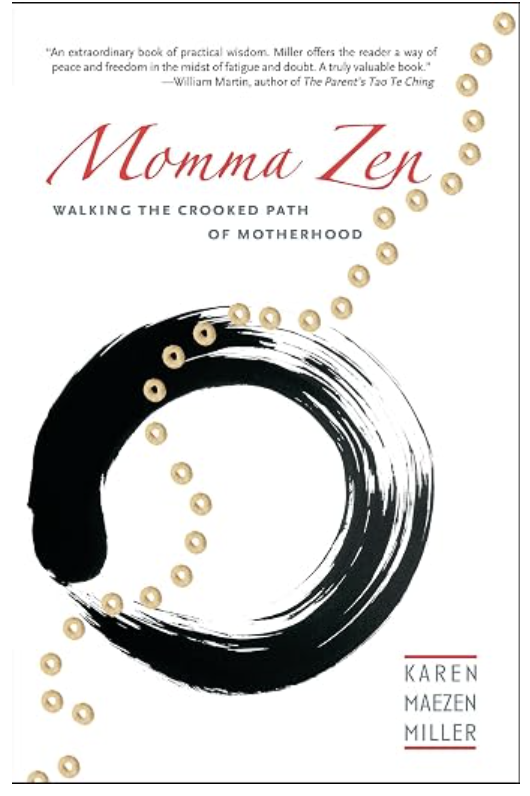
Momma Zen: Walking the Crooked Path of Motherhood by Karen Maezen Miller
Written by a Zen Buddhist, this book is short, plainspoken, and unsentimental. It doesn't offer five-step plans. It offers a way of being present inside the mess and exhaustion of early parenthood without needing to fix or transcend it.
Read this if: you want something to return to in small doses, on the days when a 300-page deep dive feels like too much.
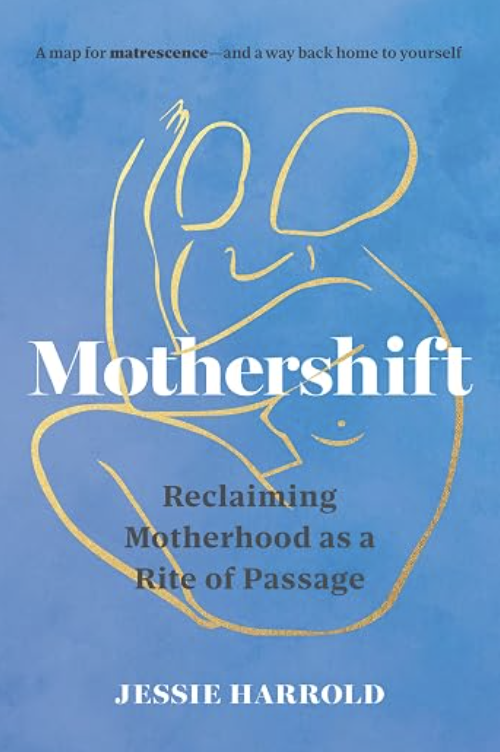
Mothershift: Reclaiming Motherhood as a Rite of Passage by Jessie Harrold
Harrold, a doula and coach, offers a four-phase model for the 2-3 year transition into motherhood, built from years of guiding people through it directly. This book names the grief and loss of self that often go unspoken, while also handing you something to work with as you move through each phase.
Read this if: you want both validation and structure. This one leaves you with a map, not just recognition.
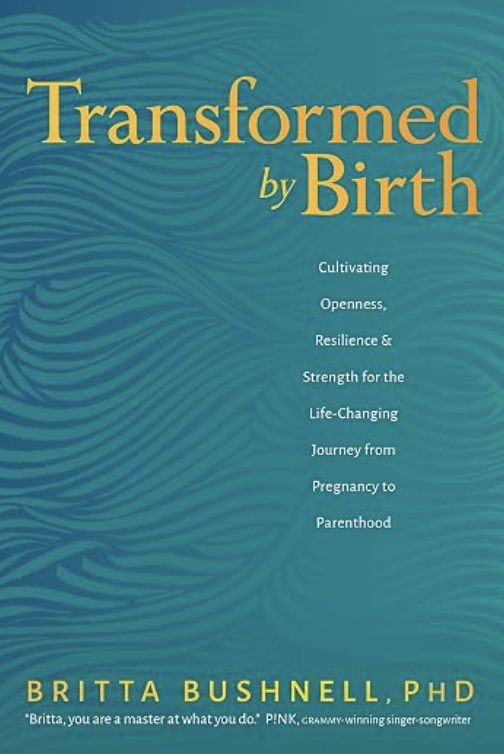
Transformed by Birth by Britta Bushnell
Bushnell frames birth itself as a rite of passage and an initiation, not just a medical event. She offers daily practices and reflective exercises to help you meet the transformation rather than brace against it, without ever pretending the hard parts aren't hard.
Read this if: you're still pregnant or newly postpartum, and you want to prepare for the identity shift, not just the delivery.
Where Therapy Fits In
Books can give you language and help you feel less alone when you're staring at the ceiling wondering who you've become. What they can't do is hold and process the specific, individual weight of your particular transition, your particular grief, and your particular version of this identity shift.
That's where therapy comes in. In our work together, we work with how the transition to parenthood is showing up for you specifically, right now. It could be that it’s bringing up parts of your own childhood and your relationship with your own mother. It could be that the loss of control and the over-stimulation feels deeply overwhelming. Or perhaps you are grieving your old life and not having access to it is painful. Whatever it is, we can name, process, and claim it together.
*Raphael, D. (1973). The Tender Gift: Breastfeeding. Prentice-Hall.